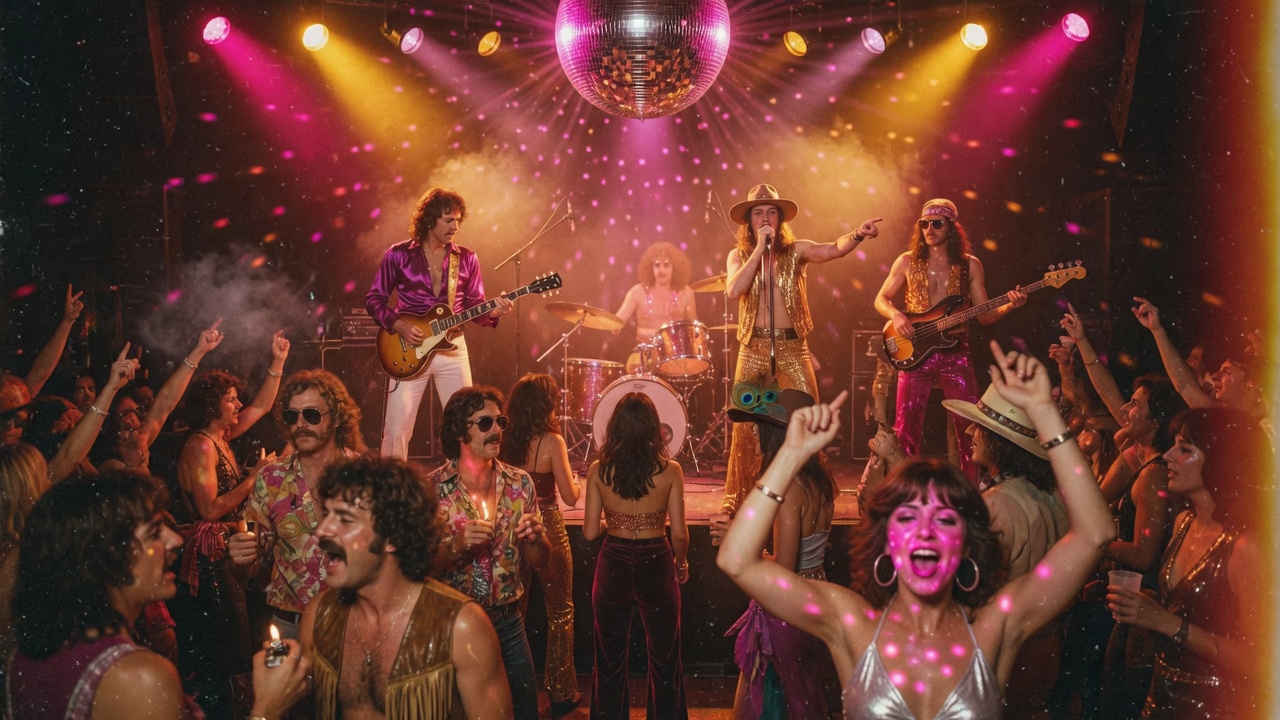
Exploring 70s Music — Classic Rock, Disco, Punk, and Party-Ready Hits
The 1970s were a collision of ambition and attitude. Arena rock got bigger, disco turned dance floors into cultural events, singer-songwriters filled FM radio, funk tightened the groove, and punk tore up the rulebook. If you want a richer listening diet — or a cover band set that makes a Seattle wedding or corporate party explode — the 70s are an unmatched toolbox.
What defined 70s popular music?
Several currents ran in parallel:
- Classic / arena rock — Zeppelin, Floyd, Queen, Aerosmith, and FM radio giants
- Soft rock & singer-songwriters — Fleetwood Mac, Elton John, Jackson Browne, and polished storytelling
- Funk & soul evolution — tighter bass, harder rhythm sections, dance-first arrangements
- Disco — four-on-the-floor propulsion and glittering club culture
- Punk — short songs, raw energy, anti-polish aesthetics
- Pop & R&B superstars rising into the mainstream by decade’s end
That range is why 70s blocks work so well live: you can shift from sing-along rock to pure dance without leaving the decade.
Landmark moments worth knowing
Arena rock goes mythic
Albums like Led Zeppelin IV helped define the decade’s larger-than-life rock identity. Tracks with huge dynamics and guitar drama still thrills crowds — when a cover band can deliver them cleanly.
Disco takes over the floor
Disco’s rise turned dancing into the main event. Even guests who “don’t like disco” often melt when a well-played classic hits after a run of rock songs. For events, disco is less a joke genre and more a proven crowd engine.
Punk resets the culture
Mid-decade punk (Ramones and the scenes that followed) was a reaction to excess. For modern parties, punk usually appears as flavor — a high-energy jolt — rather than a full three-hour theme, unless your guest list is built for it.
Pop superstardom accelerates
By the late 70s, artists like Michael Jackson were reshaping what mainstream pop performance could sound and feel like. That late-decade pop sheen bridges cleanly into 80s setlists.
How to explore 70s music today
1. Pick a lane, then cross the streams
Start with one path for a week:
- Classic rock radio staples
- Disco / dance
- Soft rock & singer-songwriters
- Funk
Then build mixed playlists. The magic of the 70s is contrast.
2. Learn the difference between radio edits and album journeys
Some 70s records are experience albums; others are hit machines. For parties, radio-length energy usually wins. For personal listening, full album sides reward patience.
3. Follow rhythm sections
If you want to understand why 70s tracks still move bodies, listen for bass and drums first. Funk, disco, and the best rock records from the era are rhythm-forward.
4. Use live concert films and classic recordings
The decade’s performance culture was huge. Watching classic live clips helps you hear how songs expand on stage — useful if you’re briefing a cover band.
70s music for events and cover bands
Where 70s songs shine
| Event moment | What works |
|---|---|
| Cocktail hour | Soft rock, groove-light funk, mellow classics |
| Dinner | Melodic FM favorites, warmer tempos |
| Open dancing | Disco + uptempo rock anthems |
| Peak party | Highest-recognition dance and sing-along rock |
| Theme nights | Full 70s costume parties, roller-disco vibes, classic rock revues |
Why multi-generational crowds love the decade
Parents and grandparents often grew up with these songs, while younger guests know them from movies, TikTok, sports arenas, and wedding playlists. That dual familiarity is pure gold for Seattle events.
Briefing your band
Tell your cover band:
- How 70s-heavy you want the night (sprinkle vs. theme)
- Whether disco is encouraged or limited
- Any rock anthems that are non-negotiable
- Songs to avoid
See also: choosing a cover band setlist and our 80s / 90s guides if you want a multi-decade arc.
Sample energy map for a 70s-leaning reception
- Arrival: warm soft rock and groove tracks
- Early dance: funk + mid-tempo rock
- Peak: disco cluster + stadium rock choruses
- Late: party rockers and feel-good closers
A professional band will sequence keys and tempos so transitions feel natural.
Listening roadmap
- A “70s essentials” hits playlist (30–50 songs)
- One classic rock album deep dive
- One disco / dance-focused week
- One funk & soul chapter
- A mixed event playlist with peaks and valleys
Common mistakes
- Treating “70s” as only classic rock guitar
- Skipping disco entirely at a dance-focused party
- Choosing 8-minute album epics when you need 3-minute floor-fillers
- Overlooking how many modern guests know these songs from media, not childhood
Final take
The 1970s gave us some of the most durable party music ever recorded — songs built for big rooms, big feelings, and shared choruses. Explore the decade beyond a single radio format, then hire a Seattle cover band that can honor both the rock muscle and the dance-floor sparkle.
It was a decade of transformation. On a good night, with the right band, it still is.