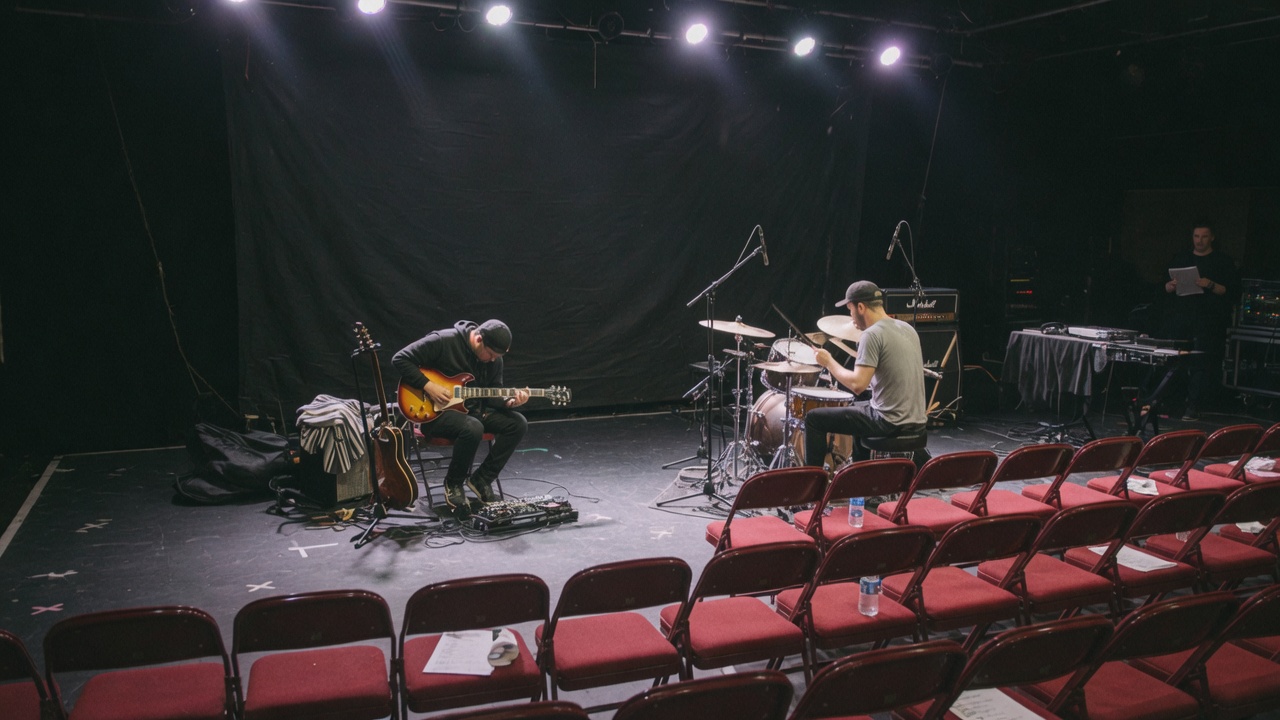
Preparing for a Live Cover Band Event — Band and Host Checklist
A great live cover band performance looks spontaneous. It almost never is. The magic comes from deliberate prep — repertoire choices, rehearsal discipline, gear readiness, and a clean day-of plan.
This guide is for two audiences:
- Musicians getting ready for a gig
- Hosts and planners who want the band they hired to succeed
1. Choose repertoire with the room in mind
For bands
Build a set that balances:
- High-recognition openers
- Genre variety
- Vocal load across the night
- Keys/tempos that transition smoothly
- A few flex songs based on crowd response
For hosts
Send must-plays and do-not-plays early. Don’t wait until the week of a wedding to request five new custom songs.
Helpful reading: choosing a cover band setlist.
2. Get the right people on stage
Chemistry matters as much as chops. You want players who:
- Lock in with the drummer and bass
- Take direction under pressure
- Show up prepared
- Read a room without ego
If a sub is needed, rehearse critical transitions and vocal cues with that sub before show day whenever possible.
3. Rehearse like it’s a real event
Effective rehearsal is not endless full-volume run-throughs.
Use a mix of:
- Full set pacing rehearsals
- Sectionals for tricky vocal blends
- Transition practice (count-offs, endings, medleys)
- Ballad dynamics and quiet-room control
- Simulated timeline interruptions (speech, then hit)
Record rehearsals. What feels fine in the room often reveals timing or pitch issues on playback.
4. Get equipment battle-ready
Band checklist
- Instruments set up and serviced
- Spare strings, sticks, cables, batteries
- Backup DI / mic options for critical channels
- Pedalboard labels and power reliability
- In-ear or monitor plan confirmed
- Setlists printed/tablet-charged
Host checklist
- Confirm stage size and power drops
- Share load-in route, elevator access, parking permits
- Clarify who provides PA/lights
- Protect a real soundcheck window
Many “band emergencies” are actually missing outlets, blocked docks, or surprise outdoor wind.
5. Promote when the show is public
For ticketed or bar gigs:
- Post short video clips
- Share date/time/venue clearly
- Coordinate with venue social channels
- Email your list and partner with nearby businesses
For private events, promotion may simply mean setting guest expectations: “Live band from 8–11 — come ready to dance.”
6. Day-of: arrive early, set clean, soundcheck fully
Recommended flow
- Load-in
- Stage setup
- Line check
- Full-band soundcheck (including quiet and loud songs)
- Speech mic check
- Reset stage for guest arrival if needed
- Showtime
Soundcheck goals
- Everyone can hear what they need
- Vocals sit above the mix without screaming
- Kick/snare/bass are controlled for the room
- No unresolved feedback
- Wireless channels are clean
If you hired production help, see hiring a sound person for an event.
7. Run the show with intention
For bands
- Start on time
- Watch the floor, not only the setlist
- Keep stage banter tight
- Protect dynamics during dinner
- Save peak ammunition for when the room is ready
- End cleanly and professionally
For hosts
- Assign one day-of decision maker
- Avoid stacking long speech blocks during peak dance windows
- Tell the band leader about surprise moments in advance
- Trust adjustments when the crowd energy shifts
8. After the performance
- Strike efficiently and leave the venue better than required
- Note what worked for the next gig
- Collect content (with permission)
- Send thanks to venue and clients
- Review notes while memory is fresh
Hosts: leave a detailed review. Specific praise about communication, dance floor, and professionalism helps good bands grow.
Host-and-band shared timeline (example)
| Time | Action |
|---|---|
| T-4 weeks | Final song list + timeline shared |
| T-1 week | Confirm load-in, parking, meals, contacts |
| T-0 afternoon | Load-in + soundcheck |
| Show | Live sets with planned breaks |
| Post-show | Strike, payment balance if due, quick debrief |
Preparation mistakes that kill momentum
- Overstuffing the set with new songs
- No spare cables or sticks
- Skipping quiet-song checks
- Unclear who cues formalities
- Alcohol before the set instead of water and focus
- Hosts changing the timeline without telling the band
Final word
Preparing for a live cover band event is equal parts music, logistics, and communication. Rehearse hard, stage clean, soundcheck fully, and treat the timeline as part of the arrangement.
Do the unglamorous work early — and the performance can feel effortless when the lights hit.